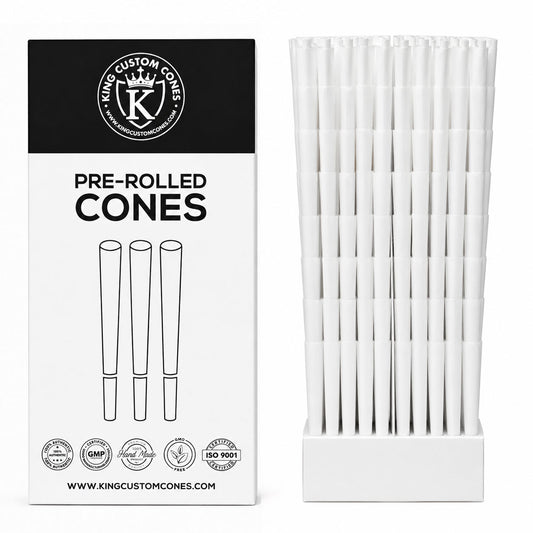
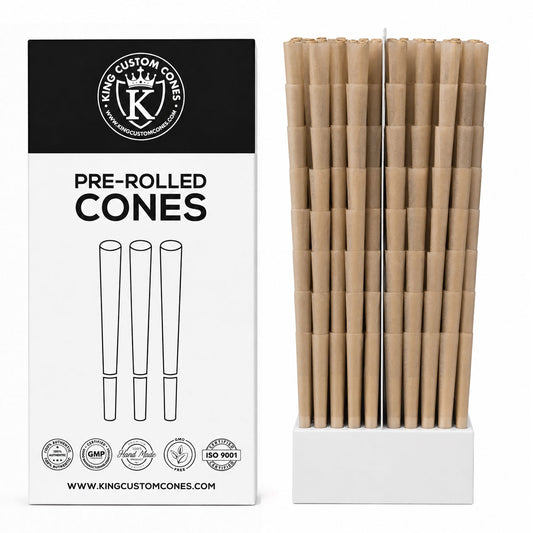
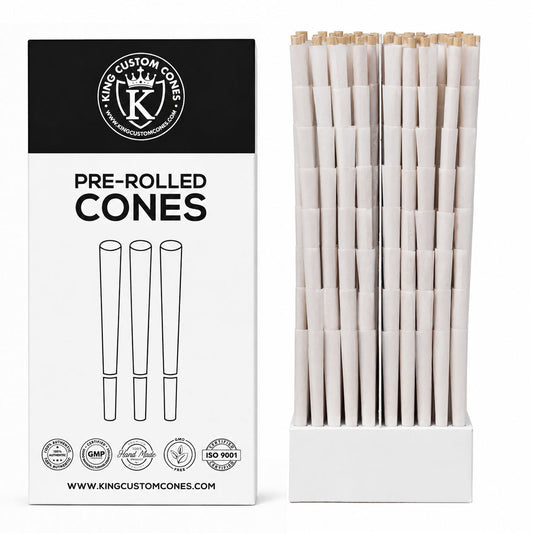
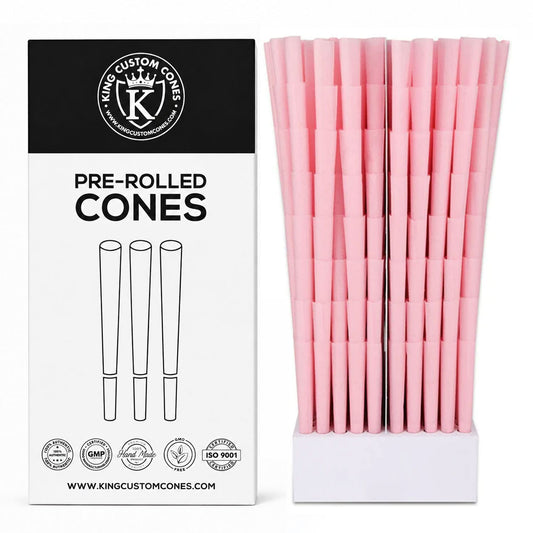
Selecting the correct pre-roll cone size is one of the most important decisions for brands launching or scaling a pre-roll lineup. Size impacts fill weight, burn performance, packaging compatibility, pricing strategy, and consumer experience — all critical factors for B2B buyers and product managers.

This guide explains how to choose between 84mm, 98mm, and 109mm cones, while exploring materials, filter options, and manufacturing considerations from an industry perspective.

Why Cone Size Matters for Product Strategy

When brands build your pre rolls, cone dimensions directly influence:

  • Target customer segment (single-serve vs premium)
  • Cost per unit and margins
  • Compliance packaging formats
  • Shelf positioning and SKU differentiation

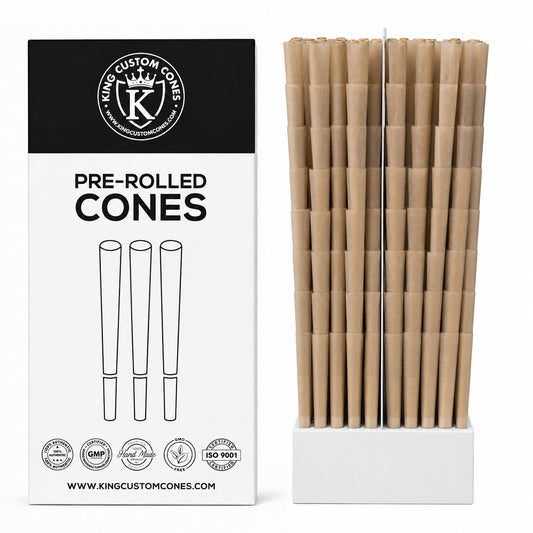
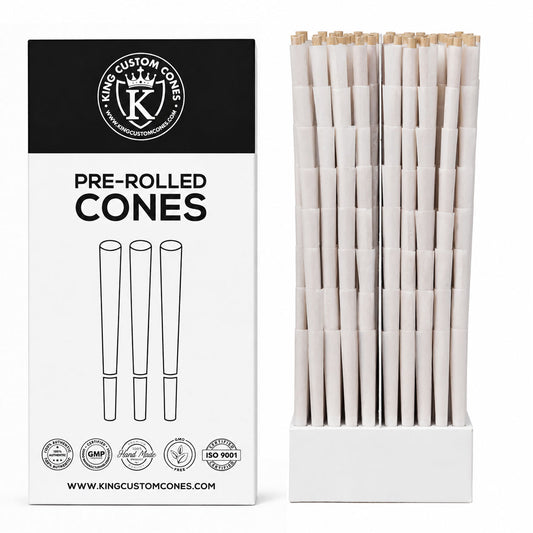
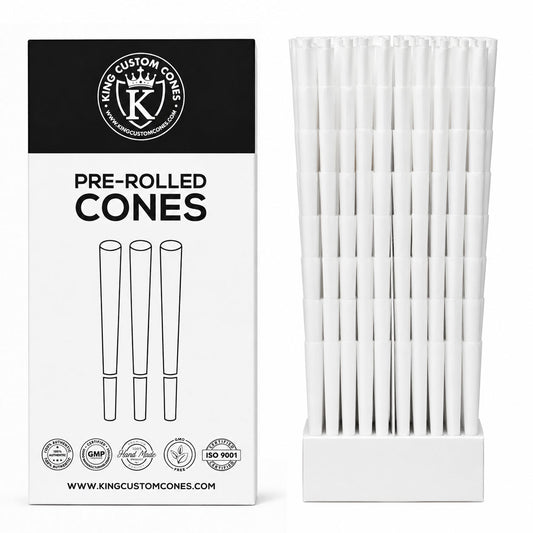
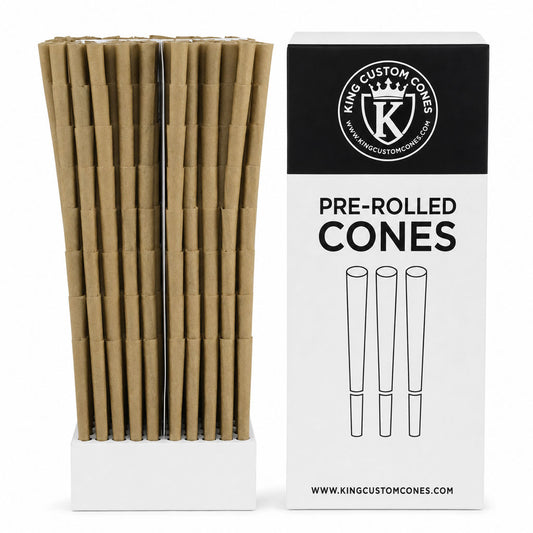
Working with an experienced manufacturer like King Custom Cones ensures consistent sizing, accurate fill capacity, and reliable supply for large-scale distribution.

Understanding Standard Pre-Roll Sizes

84mm Cones — Compact & Cost-Efficient

Best for:

  • Value pre-rolls
  • Multi-packs
  • Entry-level SKUs

Typical specs include:


Advantages

✔ Lower material cost
✔ Faster production throughput
✔ Ideal for high-volume retail

These cones are popular for brands focused on affordability and rapid inventory turnover.

98mm Cones — Balanced Performance

Best for:

  • Core product lines
  • Mid-tier pricing
  • Everyday consumer use

Common configurations:

Advantages

✔ Balanced fill capacity
✔ Strong shelf appeal
✔ Flexible packaging compatibility

This size is often considered the industry standard because it balances cost and experience.

109mm Cones — Premium Positioning

Best for:

  • High-end SKUs
  • Specialty blends
  • Brand flagship products

Typical options:

Advantages

✔ Larger fill volume
✔ Slower burn profile
✔ Premium perception

Brands targeting upscale markets often choose this size to differentiate their offerings.

How Pre-Roll Size & Shape Influence Performance

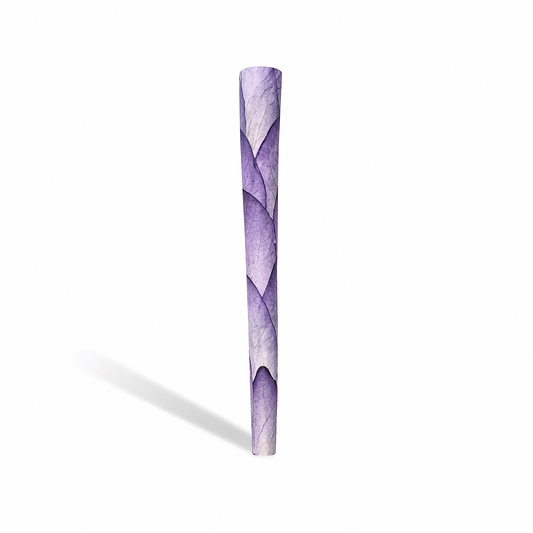
Beyond length, pre-roll size & shape affect airflow and burn consistency.

Common shapes include:

  • Conical W Fold
  • Conical Spiral
  • Cylindrical Spiral
  • Cylindrical W Fold

Shape selection depends on:

  • Filling equipment compatibility
  • Desired draw resistance
  • Brand aesthetics

Choosing the Right Paper & Substrate

Material choice plays a major role in flavor, burn rate, and sustainability positioning.

Available substrates

  • Natural Brown Paper: Unbleached and eco-friendly — popular for natural product lines.
  • Classic White Paper: Clean appearance and consistent burn — widely used in mainstream SKUs.
  • Organic Hemp Paper: Preferred by brands marketing sustainability and purity.
  • Tea Leaf Substrates: Unique texture and premium differentiation.
  • Hemp Substrates: Durable and suitable for slow-burn applications.
  • Selecting the right substrate helps align your product with consumer expectations and brand messaging.

Filter Tip & Filter Tip Applications

Filter design influences airflow, stability, and overall experience.

Popular configurations

Conical Options

  • Conical Ceramic
  • Conical W Fold

Cylindrical Options

  • Cylindrical Spiral
  • Cylindrical Glass Tip
  • Cylindrical Ceramic

Premium filters like glass or ceramic tips enhance durability and perceived value, making them ideal for luxury SKUs.

When to Consider Pre-Rolled Tubes

For brands prioritizing speed, uniformity, and automation, pre rolled tubes offer:

  • Faster filling
  • Consistent density
  • Reduced labor costs

They’re commonly used in high-volume production environments where efficiency is critical.

Key Factors to Decide the Right Size

  1. Target Market Positioning

  • Budget → 84mm
  • Core product → 98mm
  • Premium → 109mm
  1. Fill Weight Goals

Cone length determines capacity and compliance labeling.

  1. Packaging Compatibility

Child-resistant containers and multi-packs must match cone dimensions.

  1. Production Efficiency

Smaller cones increase throughput, while larger cones may require slower filling speeds.

  1. Brand Differentiation

Size can visually separate product tiers on retail shelves.

B2B Buying Tips for Distributors & Brands

  • Request burn and airflow testing samples
  • Verify paper origin and certifications
  • Evaluate MOQ vs forecast demand
  • Confirm compatibility with filling machines
  • Choose scalable supply partners

Future Trends in Pre-Roll Sizing

Industry data shows increasing demand for:

  • Multi-size product portfolios
  • Sustainable paper materials
  • Premium filter innovations
  • Automation-friendly formats

Brands offering tiered size options are seeing stronger retail performance and repeat orders.

Conclusion

Choosing between 84mm, 98mm, and 109mm pre-rolled cones isn’t just a technical decision — it’s a strategic one that impacts pricing, branding, and operational efficiency.

By aligning cone size, substrate, and filter design with your target market, you can create a product line that delivers consistent performance while maximizing margins.

For brands planning to scale, working with a specialized manufacturing partner ensures reliable quality, customizable specifications, and long-term supply stability

FAQs

What is the most popular pre-roll cone size for brands?

The 98mm cone is generally the most widely used because it offers a balanced fill capacity, consistent burn, and strong retail appeal. It works well for core product lines and everyday SKUs.

How do I decide between 84mm, 98mm, and 109mm cones?

Choose based on your product tier:

  • 84mm → value or multi-pack products
  • 98mm → standard everyday products
  • 109mm → premium or flagship SKUs

Your pricing strategy, packaging, and target customer experience should guide the decision.

Does cone size affect burn time and airflow?

Yes. Larger cones typically provide longer burn times and smoother airflow, while smaller cones burn faster and are designed for quick sessions or lower fill weights.

Which paper type is best for pre-rolled cones?

It depends on your brand positioning:

  • Natural brown paper → eco-friendly image
  • Classic white paper → clean, consistent performance
  • Organic hemp paper → sustainability focus
  • Tea leaf or hemp substrates → premium differentiation

Are different filter tips necessary for different sizes?

Not always, but filter design can enhance performance. Premium lines often use glass or ceramic tips, while standard SKUs typically use paper filter applications for cost efficiency.

What are the benefits of using pre-rolled tubes instead of cones?

Pre-rolled tubes are ideal for automated filling because they:
✔ Improve production speed
✔ Ensure uniform density
✔ Reduce manual labor

They’re commonly used in high-volume manufacturing environments.

How do I ensure consistency when ordering bulk cones?

Work with an experienced manufacturer like King Custom Cones and request:

  • Quality control documentation
  • Material specifications
  • Burn testing samples
  • Machine compatibility confirmation

Should brands offer multiple cone sizes in one product line?

Yes. A tiered size strategy helps brands target different customer segments, improve shelf presence, and increase average order value.